Most homeowners take electricity for granted until it disappears. A power cut of a few minutes is a minor inconvenience. A cut lasting several hours or days is something else entirely. Food spoils, water pumps stop, security systems go offline and, in hot or cold climates, the loss of air conditioning or heating can quickly become a health risk for children, older relatives and anyone with medical needs.
Large homes and villas are especially dependent on power. They often rely on booster pumps for water pressure, multiple air conditioning systems, swimming pool equipment, automated gates, smart home systems and home offices. When the supply fails, almost every part of daily life is affected.
An emergency generator provides peace of mind that your household can keep running when the grid cannot. However, choosing the right system involves more than picking a unit from a catalogue. This guide explains the key factors to consider, from sizing and fuel type to safety and installation.
The first and most important decision is what you want the generator to power. There are two broad approaches.
Essential circuits only. The generator supports a selected set of critical loads, such as a few lights, the refrigerator and freezer, water pumps, internet router, security system, medical equipment and perhaps one or two air conditioning units. This approach needs a smaller, less expensive generator and uses less fuel.
Whole-home backup. The generator powers the entire property, allowing the household to continue almost exactly as normal. This offers maximum comfort but requires a much larger generator, particularly in villas with several air conditioning units, pool pumps and electric kitchens.
Walk through your home and list what matters most during an outage. Think about who lives in the property, how long outages typically last in your area and whether anyone relies on powered medical devices.
Once you know what must stay on, add up the power requirements of those items. Each appliance label shows its rating in watts or kilowatts. Then allow for two important factors.
First, appliances with motors or compressors, such as air conditioners, refrigerators and water pumps, need much more power to start than to run, often three times their running load for a few seconds. Your generator must handle these surges.
Second, add a safety margin of 20 to 30 percent so the generator is not running at its limit.
As a rough guide, a small apartment with essential loads may need 5 to 10 kVA, a medium home with several air conditioners may need 20 to 40 kVA, and a large villa with whole-home backup can require 60 kVA or more. Because every property is different, it is worth having a qualified electrician carry out a proper load assessment.
Portable generators are smaller units that can be moved into position when needed. They are affordable and flexible, but they must be started manually and connected safely, usually through a dedicated inlet. They are best for occasional, short outages and essential loads only.
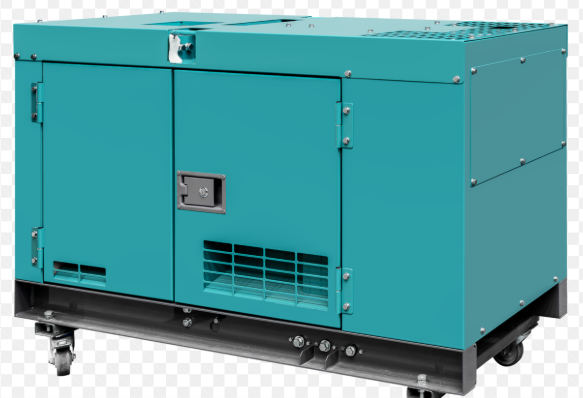
Standby generators are permanently installed outside the home and connected to the electrical system. They start automatically when the grid fails and shut down when it returns. They offer convenience, higher power and long runtimes, but come with higher installation costs and require space, a suitable base and regular servicing.
For homes where outages are rare but disruptive, a portable or temporary unit may be sufficient. For homes in areas with frequent or long outages, or where residents depend on continuous power, a standby system is usually worth the investment.
Diesel is efficient, durable and safe to store, making it a strong choice for larger homes and villas with high power needs.
Petrol suits small portable generators, but it is highly flammable and degrades quickly in storage, so it is less suitable for long-term standby use.
Natural gas or LPG burns cleanly and quietly. Where a mains gas connection exists, a gas generator never needs refuelling, which makes it popular for permanent residential backup.
Consider how easy each fuel is to obtain in your area, particularly during emergencies when fuel stations may be closed or busy.
A generator should never be connected directly to a home's wiring by plugging it into a socket. This dangerous practice, sometimes called back-feeding, can send electricity back into the grid and endanger utility workers repairing the lines. It can also damage your appliances and the generator.
The safe solution is a transfer switch. A manual transfer switch lets you change the supply from grid to generator with a lever. An automatic transfer switch (ATS) detects a power failure, starts the generator and transfers the load within seconds, then switches back when grid power returns. For standby systems, an ATS provides seamless, hands-free protection.
Transfer switches must always be installed by a licensed electrician in line with local regulations.
Residential areas often have strict noise rules, and neighbours will not welcome a loud engine running through the night. Choose a generator with a sound-attenuated enclosure and check its noise rating at a stated distance, typically seven metres. Placement, barriers and correct sizing all help reduce noise further.
Generators produce carbon monoxide, a colourless, odourless and potentially deadly gas. They must always run outdoors, well away from doors, windows and air intakes. Never operate a generator inside a home, garage, basement or enclosed space, even with doors open.
The location should also have a firm, level base, good ventilation, protection from flooding and easy access for refuelling and maintenance. Installing carbon monoxide detectors inside the home adds an important layer of protection.
Many local authorities, housing communities and utility providers have rules for residential generators, covering noise, emissions, fuel storage, placement and electrical connections. Check these requirements before purchasing or installing a unit, and keep records of inspections and approvals.
Owning a permanent standby generator makes sense for homes in areas with frequent outages or for households that cannot tolerate any interruption. However, ownership brings ongoing costs for servicing, fuel management and eventual replacement.
Renting is a practical alternative in several situations. It suits homes facing a planned utility shutdown, properties undergoing electrical upgrades or renovation, villas hosting large private events and households that need temporary cover during peak outage seasons. An emergency generator rental can also bridge the gap while a permanent unit is being repaired or replaced. Rental units are usually delivered, installed and maintained by the supplier, which removes much of the complexity for homeowners.
An emergency generator is only valuable if it starts when needed. Unfortunately, many generators fail during outages simply because they have not been used or serviced for months.
A sensible maintenance routine includes:
Keep a simple log of tests and services so you can spot problems early.
An emergency generator is one of the most practical investments a homeowner can make in resilience. The right system keeps water flowing, food cold, rooms comfortable and families safe when the grid fails.
Start by deciding what must stay on, then size the generator carefully, choose between portable and standby options, select a suitable fuel and always use a properly installed transfer switch. Pay close attention to noise, placement and carbon monoxide safety, and keep the unit maintained so it is ready when needed.
With careful planning and professional installation, the next power cut can pass with little more than a brief flicker of the lights.

This post has been authored and published by one of our premium contributors, who are experts in their fields. They bring high-quality, well-researched content that adds significant value to our platform.











Learn SEO, social media, and digital marketing strategies to grow your online business smarter and faster.