Early internet forums and bulletin board systems became foundational spaces where users shared messages, discussed interests, and built communities around niche topics long before modern social media platforms existed first
These forums like Usenet and early message boards allowed asynchronous communication, letting people connect globally without real time interaction, shaping the earliest digital culture and online identity formation significantly evolution
Moderation was minimal, yet these communities thrived because users valued shared knowledge, technical discussions, and niche hobbies that mainstream media often ignored or overlooked during early internet expansion period growth
Bulletin board systems also influenced modern social networking structures, introducing concepts like user profiles, threaded discussions, and community moderation that persist in today's digital communication environments online platform design concepts
Chat rooms emerged as real time communication spaces where users could engage instantly, shifting internet interaction from slow forum based discussions to faster conversational exchanges globally transforming online behavior patterns
Platforms like IRC and MSN Messenger popularized direct messaging, enabling private conversations, group chats, and faster social bonding between geographically distant users across early internet ecosystems digital communication revolution era
Instant messaging reduced response delays and created expectations for immediate replies, changing communication etiquette and accelerating online social interaction patterns significantly worldwide especially among early digital communities and users adoption
Despite limited multimedia support, chat platforms became extremely popular due to their simplicity, accessibility, and ability to connect people across distances in real time driving early internet communication growth phase
Blogging platforms introduced personal publishing, allowing individuals to share thoughts, experiences, and expertise directly with global audiences without needing traditional media gatekeepers or publishers transforming digital storytelling and communication forever
Early blogging communities fostered personal branding, niche writing, and audience building, enabling creators to gain recognition and influence without institutional support or editorial constraints paving way modern influencer culture emergence
Comment sections and blog interactions created early forms of online discourse, allowing readers to participate actively and engage directly with content creators globally shaping participatory digital communication culture growth trend
Blogging gradually transitioned into mainstream media influence, with search engines and RSS feeds amplifying content distribution and enabling global readership expansion over time driving digital information sharing revolution worldwide scale
Social networking platforms like Facebook and MySpace revolutionized online identity creation, allowing users to build profiles, connect with friends, and share multimedia content widely transforming global digital interaction culture forever
These platforms introduced news feeds and algorithmic timelines, changing how users consumed content and prioritized social engagement over static profile browsing experiences shaping modern attention economy behavior patterns globally influential
Viral sharing became a defining feature, with content spreading rapidly through likes, shares, and comments, accelerating the growth of online communities and digital culture driving internet virality and engagement models
Privacy concerns and data collection practices emerged as major issues, prompting discussions about user control, digital ethics, and platform responsibility in online ecosystems increasing regulatory and ethical awareness globally rising
Mobile internet transformed how users accessed social platforms, enabling constant connectivity and real time interaction through smartphones and portable devices worldwide making social communication always available and instant everywhere access
Apps like WhatsApp, Instagram, and Snapchat shifted communication patterns toward mobile first engagement, multimedia messaging, and ephemeral content sharing among global users driving massive shift in social interaction habits worldwide adoption
Push notifications and app ecosystems increased user engagement dramatically, ensuring continuous interaction and reinforcing habitual platform usage throughout daily routines strengthening dependency on mobile social ecosystems over time significantly growing
Mobile accessibility also expanded social media usage in developing regions, bridging digital divides and enabling broader participation in global online conversations and communities improving worldwide digital inclusion and access growth
Algorithm driven feeds changed content discovery by prioritizing relevance and engagement metrics, tailoring posts based on user behavior and maximizing platform retention strategies shaping personalized digital consumption experiences globally effective
Recommendation systems on platforms like YouTube, Facebook, and TikTok significantly influenced what users watched, read, and engaged with daily across global audiences driving algorithmic content distribution and control systems evolution
Engagement metrics such as likes, shares, comments, and watch time became central to platform success, shaping creator incentives and audience interaction patterns driving competitive attention based content economy growth cycle
The engagement economy encouraged content optimization, where creators adapted strategies to maximize reach, visibility, and monetization opportunities across digital ecosystems transforming online creation into data driven performance systems globally scalable
Video platforms like YouTube and later TikTok revolutionized content creation by prioritizing visual storytelling, short form videos, and monetization opportunities for creators worldwide expanding digital entertainment and revenue models globally
Creators became independent media producers, building audiences through consistent uploads, brand collaborations, and algorithm friendly content strategies across diverse niches reshaping digital careers and influencer monetization opportunities rapid global expansion
Advertising models shifted significantly toward creator driven ecosystems, where sponsorships, affiliate marketing, and platform revenue sharing became primary income sources changing global digital marketing and monetization structures across platforms worldwide
Audience engagement through comments, likes, and subscriptions became essential for creator success, influencing content direction and community building strategies driving interactive engagement models across modern digital creator ecosystems globally scaled
Modern social media has become highly fragmented, with users spreading across multiple platforms based on interests, demographics, and content preferences rather than single networks creating diverse online community ecosystems globally
Niche communities on Reddit, Discord, and specialized forums continue to thrive, offering deeper engagement, shared identity, and focused discussions among dedicated users worldwide strengthening interest based digital ecosystems growth trend
Short form content dominance has reshaped attention spans and consumption habits, with platforms optimizing for rapid scrolling and instant gratification among users driving fast paced digital media evolution globally shifting
Trust, misinformation, and content moderation challenges have become central issues, forcing platforms to adopt stricter policies and advanced moderation technologies increasing focus on safety and information integrity policy enforcement globally
Future internet trends point toward decentralization, where users gain more control over data, identity, and content ownership through blockchain and distributed systems transforming digital power structures and access models globally
Web3 technologies, decentralized social networks, and tokenized ecosystems aim to reduce platform monopolies and empower user driven governance systems creating new paradigms for online ownership and participation models worldwide adoption
Artificial intelligence integration is expected to further personalize content delivery, automate moderation, and enhance user experiences across evolving internet platforms driving smarter adaptive systems and digital ecosystems future internet growth
As connectivity expands globally, internet trends will continue evolving toward immersive, interactive, and highly personalized digital environments shaping how people communicate and collaborate defining next generation online experiences globally unified

This post has been authored and published by one of our premium contributors, who are experts in their fields. They bring high-quality, well-researched content that adds significant value to our platform.






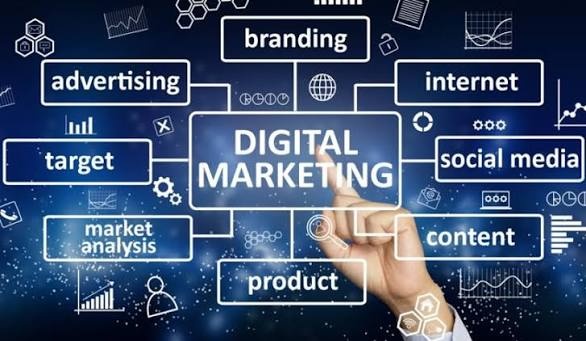





Learn SEO, social media, and digital marketing strategies to grow your online business smarter and faster.