Trend fatigue refers to the exhaustion people experience when they are continuously exposed to new online trends. Social media platforms constantly introduce viral content, creating pressure to stay informed and participate.
Every day, users encounter challenges, memes, fashion styles, opinions, and viral discussions. The rapid pace of these trends makes it difficult for individuals to keep up without feeling overwhelmed.
Social media algorithms often prioritize trending content because it generates engagement. As a result, users are repeatedly exposed to similar topics, which can eventually reduce interest and excitement.
What begins as entertainment can gradually become mentally draining. The constant cycle of consuming and reacting to trends may leave users feeling tired rather than inspired.
Algorithms are designed to show users content that matches their interests and behavior. While this improves engagement, it also increases exposure to repetitive trends and popular discussions.
Platforms analyze likes, comments, shares, and watch time to determine what users want to see. This process often creates a continuous stream of similar content across feeds.
When users repeatedly encounter the same trend in different formats, novelty begins to disappear. The content becomes predictable, reducing its entertainment value and increasing feelings of fatigue.
The desire to maximize user attention can unintentionally contribute to digital exhaustion. Users may spend more time online while experiencing less satisfaction from the content they consume.
Technology has significantly accelerated the speed at which information spreads. A trend can emerge, peak, and disappear within a matter of days or even hours.
Short form video platforms have made content creation easier and more accessible. Millions of users can quickly participate in trends, causing them to spread globally in record time.
Brands, influencers, and creators often compete to capitalize on emerging trends before they lose relevance. This competition increases the volume of trend related content available online.
Because trends move so quickly, users may feel pressured to stay constantly connected. Missing a few days online can create the impression of falling behind cultural conversations.
Frequent exposure to trends can affect mental well being in subtle ways. Users may experience information overload when faced with endless streams of new content and opinions.
The pressure to remain updated can create anxiety and stress. Many individuals feel obligated to engage with trends even when they have little personal interest in them.
Trend fatigue can also reduce attention spans. Constantly switching between viral topics encourages rapid consumption rather than deeper engagement with meaningful content.
Over time, users may become emotionally detached from online experiences. Content that once felt exciting can begin to feel repetitive, leading to reduced enjoyment and motivation.
Users experiencing trend fatigue often change how they interact with social media platforms. Some begin scrolling less frequently or avoiding certain types of content altogether.
Others become more selective about the creators they follow. Curating feeds allows individuals to reduce exposure to repetitive trends and focus on topics that genuinely interest them.
Trend fatigue can also lower engagement rates. Users may stop liking, sharing, or commenting because they feel overwhelmed by the constant flow of similar content.
In some cases, people take temporary breaks from social media. Digital detox periods help restore balance and reduce the mental burden associated with nonstop online activity.
Content creators face unique challenges in an environment driven by trends. They often feel pressure to participate in viral topics to maintain visibility and audience engagement.
Constantly adapting to changing trends can lead to creative burnout. Creators may struggle to produce authentic content while trying to satisfy algorithmic demands and audience expectations.
Brands also face difficulties when trends become oversaturated. Marketing campaigns tied to every viral moment may appear repetitive and less meaningful to consumers.
Successful creators and businesses often focus on long term value instead of chasing every trend. Authenticity and consistency tend to build stronger audience relationships over time.
One effective strategy is limiting daily social media usage. Setting boundaries helps users avoid excessive exposure to fast moving trends and promotes healthier digital habits.
Curating feeds by following diverse and meaningful accounts can improve the online experience. Quality content often provides greater value than constantly consuming viral material.
Practicing mindful consumption is another helpful approach. Users can choose content intentionally rather than automatically engaging with every trend that appears on their screens.
Taking regular breaks from social media allows individuals to recharge mentally. Even short periods away from digital platforms can reduce stress and improve overall well being.
As social media continues evolving, trend cycles may become even faster. Emerging technologies and new platforms could accelerate the creation and spread of viral content.
At the same time, users are becoming more aware of digital well being. Many people now prioritize meaningful engagement over constant participation in online trends.
Platforms may introduce features that encourage healthier usage patterns. Tools focused on personalization and content control could help reduce feelings of trend fatigue.
Ultimately, understanding trend fatigue is essential for maintaining a balanced relationship with social media. Awareness allows users to enjoy online communities without becoming overwhelmed by endless cycles of viral content.

This post has been authored and published by one of our premium contributors, who are experts in their fields. They bring high-quality, well-researched content that adds significant value to our platform.






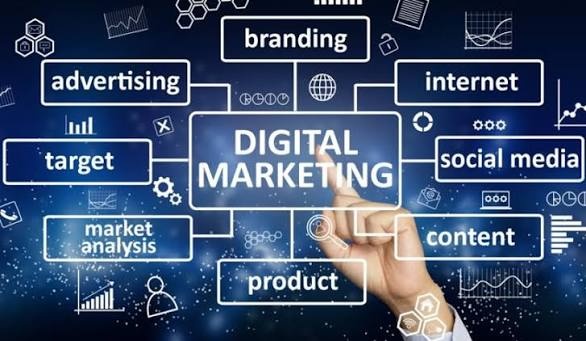





Learn SEO, social media, and digital marketing strategies to grow your online business smarter and faster.